




 Go back

Despite multiple challenges and ongoing threats to its biodiversity and key habitats, Somalia has recently taken a step forward in implementing 30×30, or Target 3 of the Kunming–Montreal Global Biodiversity Framework, by organizing a cross-governmental and multi-stakeholder workshop to establish a Target 3 Coordination Unit within the Ministry of Environment and Climate Change.
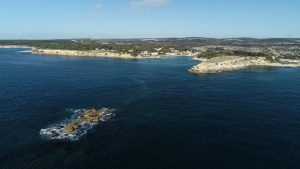
Conservation is not just for conservationists; Somalia’s rich diversity of ecosystems is key to sustaining the livelihoods of 18 million Somali people. Its many rangelands and wetlands support livestock, and along the Juba and Shabelle rivers, fertile ecosystems provide ecological corridors that are critical for native species and agriculture. Somalia’s coastlines and marine ecosystems are among the most productive in the region. They support coral reefs and mangrove systems, and serve as important breeding grounds for sea turtles, sharks, and migratory fish.
If protected, these ecosystems offer significant opportunities to support sustainable economies and livelihoods. However, decades of environmental degradation, climate change impacts, and limited institutional capacity have placed increasing pressure on these ecosystems, making stronger national capacity and coordination essential for their conservation.

Somali Wild Ass
Turning Ambition into Action
Recognizing the need for strong institutions, technical expertise, and coordinated action across government agencies and stakeholders, Somalia has prioritized capacity building and institutional strengthening within the Ministry of Environment and Climate Change.
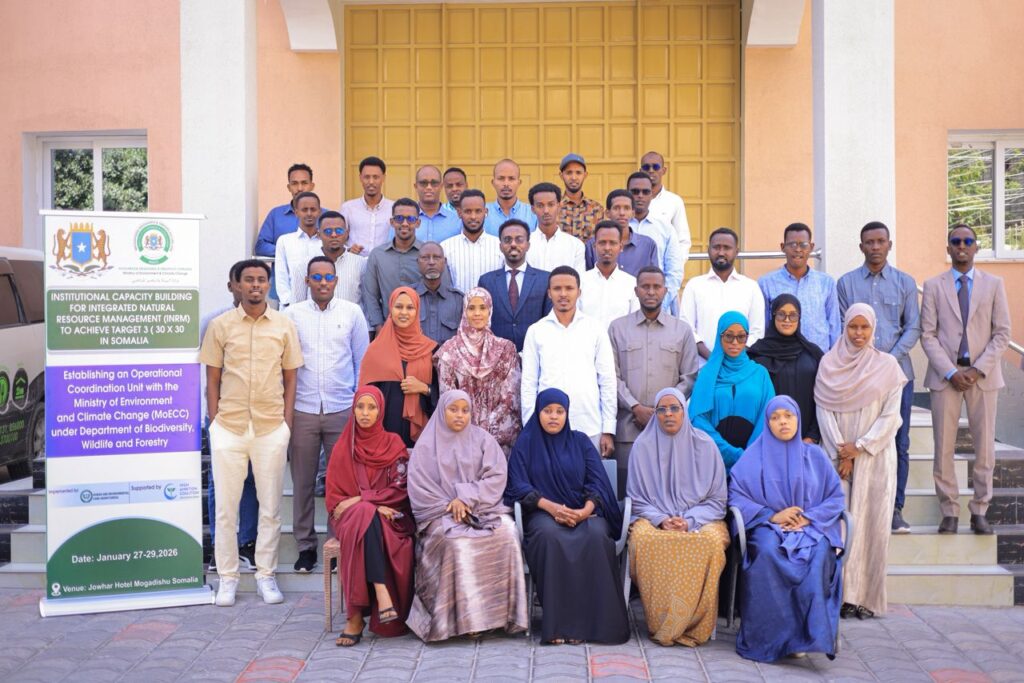
With support from the Human and Environmental Care Agency (HECA), a national NGO, the Ministry organized a three-day national capacity-building workshop focused on operationalizing Target 3. Over 40 government officials from federal institutions and Federal Member States, representatives from relevant sector ministries and civil society organizations were trained in Integrated Natural Resource Management (INRM), biodiversity safeguards, environmental impact assessment (EIA) enforcement, protected area governance, and reporting under the global biodiversity framework.
Why This Matters
- 30×30 implementation starts with strong institutions and a shared goal. The workshop strengthened whole-of-government collaboration, bringing together biodiversity, planning, and environmental management institutions to align efforts on conservation planning and sustainable land management. This collaborative effort strengthened cross-sectoral coordination, increasing institutional readiness to implement 30×30, and laid the foundation for more structured national action to expand and effectively manage protected and conserved areas across Somalia.
- The workshop established a Target 3 Coordination Unit within the Ministry of Environment and Climate Change, serving as a national platform for coordination, data management, and reporting on protected areas and other effective area-based conservation measures (OECMs). This unit will play a central role in identifying priority landscapes, improving governance of protected areas, and ensuring that Somalia’s conservation efforts align with global biodiversity commitments.
- The improved integration of biodiversity safeguards into EIA processes is expected to reduce development pressures on ecologically sensitive areas and proposed conservation sites. This will enhance the effectiveness of conservation planning and strengthen the long-term ecological integrity of Somalia’s biodiversity.
- The implementation of 30×30 will support economic resilience, create jobs and mitigate the effects of climate change.
Overall, these interventions strengthen Somalia’s institutional framework for expanding, managing, and equitably governing protected and conserved areas, and will accelerate national progress toward achieving Target 3 (30×30) of the global biodiversity framework.
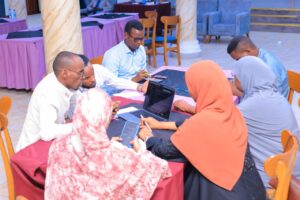
Working groups during the workshop
The Road Ahead
Building on the momentum generated by this initiative, Somalia aims to further strengthen its environmental governance and accelerate progress toward Target 3.
Priority next steps include:
- Developing national biodiversity mapping and spatial planning systems using GIS tools
- Identifying potential protected areas and OECMs across key landscapes and seascapes
- Strengthening monitoring, reporting, and compliance mechanisms
- Enhancing community-based conservation and equitable governance approaches
By investing in institutional capacity and collaborative action, Somalia has taken decisive steps to safeguard its natural heritage and contribute to global biodiversity conservation. Yet, as 2030 fast approaches and environmental degradation continues, Somalia seeks continued partnership with national and international stakeholders to build on this momentum and deliver concrete results. The support of the High Ambition Coalition for Nature and People has been instrumental in catalyzing this process, but more is needed. With a functional Target 3 Coordination Unit and enhanced capacities, Somalia stands ready to advance 30×30 implementation.
 Go back