





 Go back

From 3–6 February 2026, government officials, conservation experts and regional organizations gathered in Tashkent, Uzbekistan, for the Central Asia Regional Workshop on Target 3 of the Kunming-Montreal Global Biodiversity Framework. This is the 11th regional workshop of a series that aimed to provide a space for countries to share their progresses, challenges and build their capacities on priority Target 3 topics, and develop a regional roadmap of priority actions.
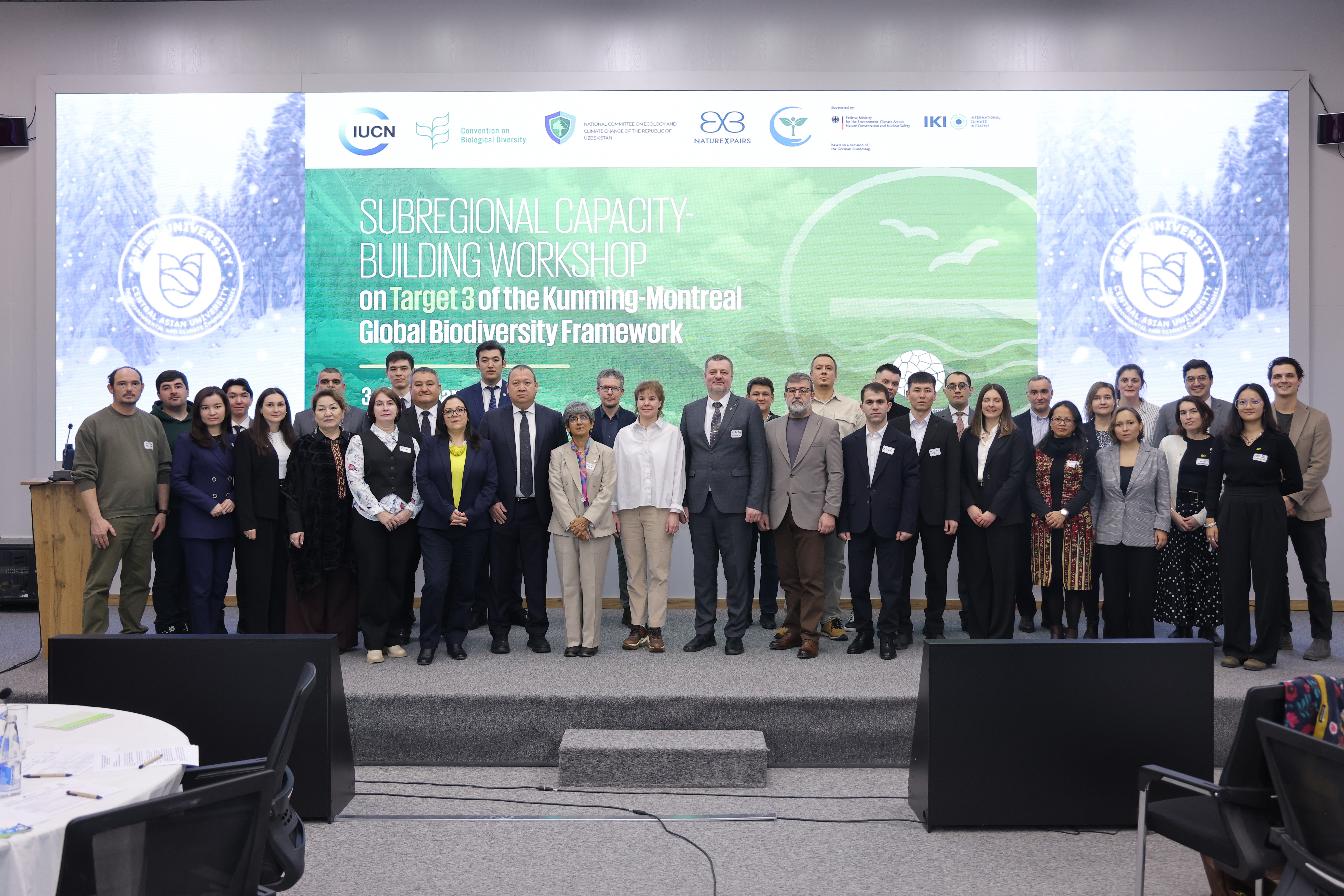
Official Group Photo: Central Asia Regional Workshop on Target 3
Advancing 30×30 in Central Asia
The Central Asia workshop was co-organized with the CBD Secretariat, IUCN ECARO and NatureXpairs. The workshop brought together 37 participants from nine countries: Armenia and Kazakhstan—both members of the HAC—Azerbaijan, Belarus, Kyrgyzstan, the Russian Federation, Tajikistan, Turkmenistan and Uzbekistan. As Madhu Rao, Chair of the IUCN World Commission on Protected Areas (WCPA), mentioned in her welcome remarks “Advancing Target 3 requires not only ambition, but practical tools, knowledge and cooperation to translate commitments into effective action on the ground,” the workshop provided an opportunity to connect needs with potential solutions and collective actions. Domoina Rakotobe, the HAC senior program officer for technical assistance and capacity building, presented the opportunities offered by the HAC, particularly the 30×30 Matchmaking Platform.
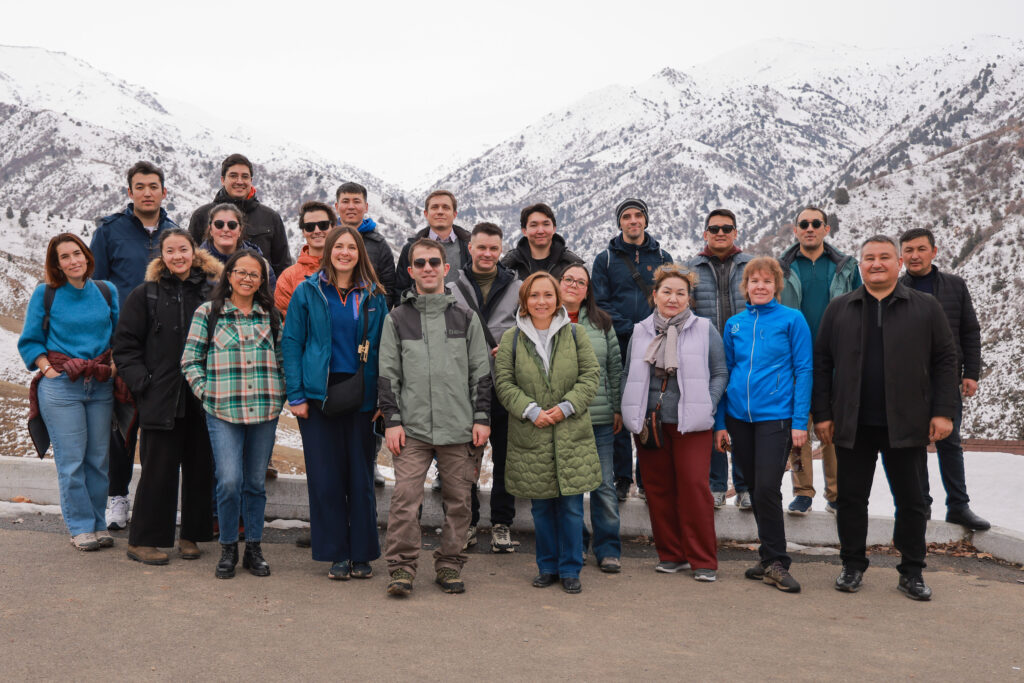
The workshop followed a structured format: an overview of Target 3 and national updates, thematic sessions on management effectiveness and Other Effective Area-Based Conservation Measures (OECMs), and transboundary conservation. A field visit was conducted at the visitor center with presentations about Chatkal Strict Reserve, Ugam-Chatkal biosphere reserve, and national park; and a small hiking to Kumushkan Zivoratgokhi (spirit site) in the Western Tien-Shan. The last day focused on regional challenges and a roadmap of priority actions to 2030.
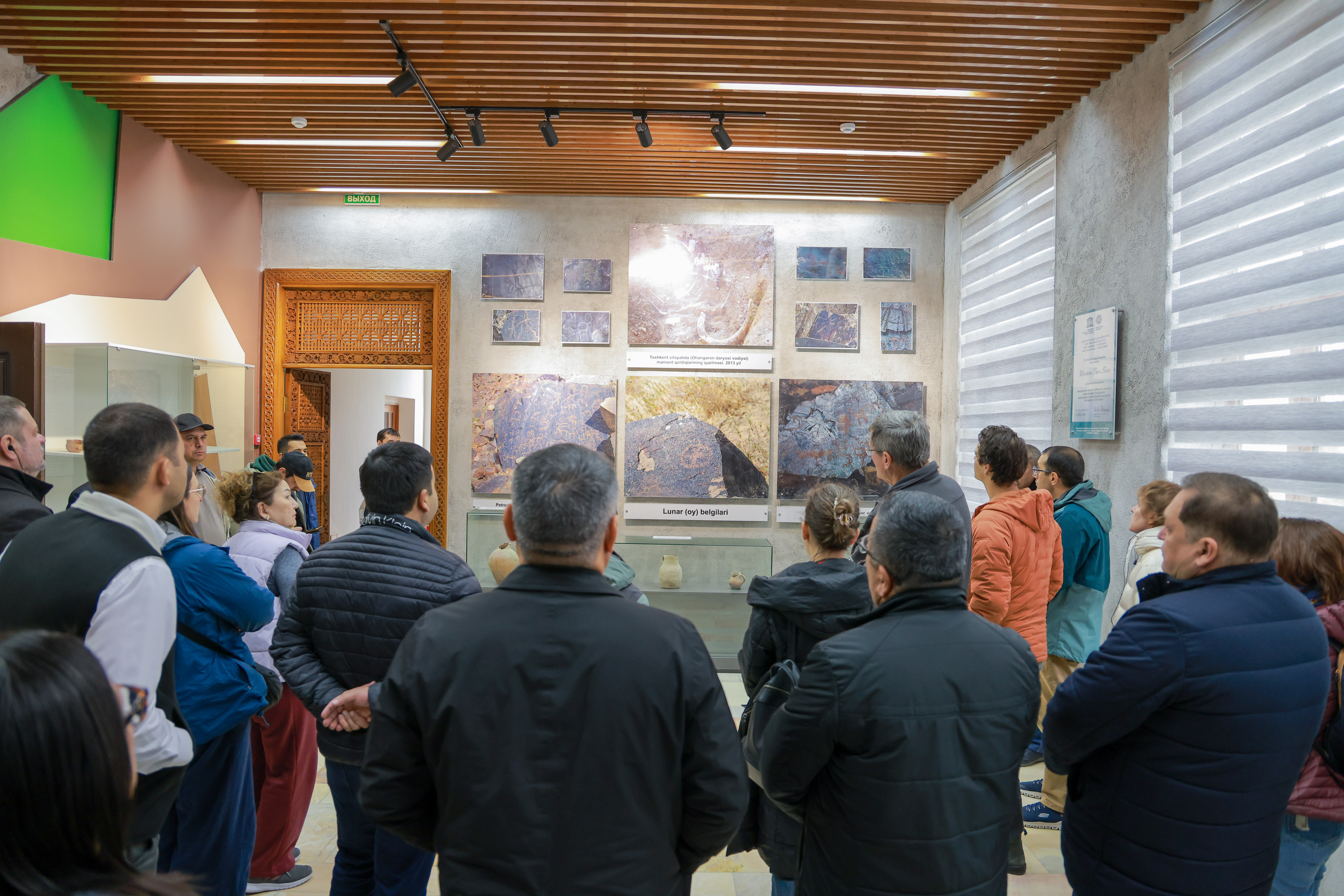
Government officials and conservation experts at the Chatkal Reserve Visitor Center
Key Challenges and Opportunities
A central observation was that no country in the region has yet officially reported OECMs. Participants emphasized that the concept of OECMs remains poorly understood, including the need for clearer Russian terminology, legal frameworks and criteria. However, all countries are actively exploring ways to identify and recognize OECMs.
Countries also highlighted systemic challenges: limited funding and staffing, weak monitoring systems, data gaps, and the risk that OECMs could unintentionally substitute rather than complement protected areas. Strengthening institutionalization and long-term financing emerged as top priorities.
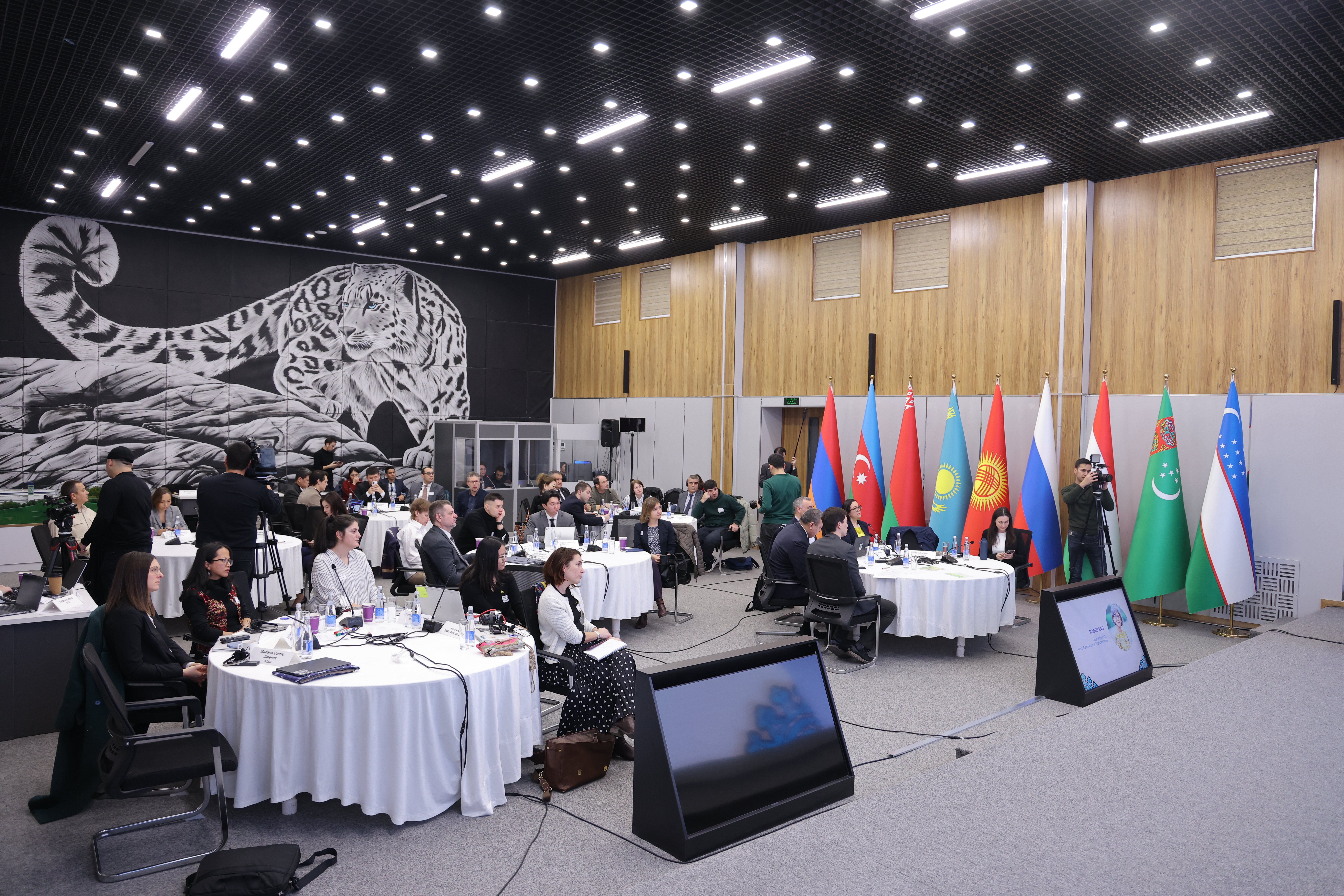
Participants sharing progress on 30×30 implementation in Uzbekistan
A Roadmap to 2030
Participants outlined priority steps, including screening candidate OECMs, reviewing legislation, mobilizing sustainable funding, strengthening political will, and reporting progress to the CBD. Importantly, the workshop reaffirmed that achieving 30×30 is not only about percentages, but also about quality, equity and effective management.
The information collected at the workshop will help IUCN ECARO, as the CBD Subregional Technical and Scientific Cooperation (TSC) Support Centre, to design tailored scientific knowledge, capacity building opportunities and tools to advance 30×30 in the region.
As preparations advance toward COP17 and the 2027 World Protected and Conserved Areas Congress, Central Asia is positioning itself to translate ambition into measurable, durable conservation outcomes.
 Go back