


This article was originally published by the Secretariat of the Pacific Regional Environment Programme (SPREP) on 9 June 2026. HAC is pleased to share this update on the Pacific Regional Workshop on KMGBF Target 3, convened by SPREP with support from HAC and funding from the Government of Australia.

9 June 2026, Nadi – The Pacific region is blessed with remarkable biodiversity, diverse biogeography settings, vast Ocean ecosystems and rich cultural traditions that have sustained our communities for generations.
But this is increasingly coming under threat as the region faces growing environmental pressures, making effective conservation and sustainable natural resource management more important than ever.
To address these environmental pressures, the Secretariat of the Pacific Regional Environment Programme (SPREP), the Government of Australia and the High Ambition Coalition (HAC) for Nature and People, is gathering Oceania HAC members and Pacific Parties to the Convention on Biological Diversity for a regional workshop.
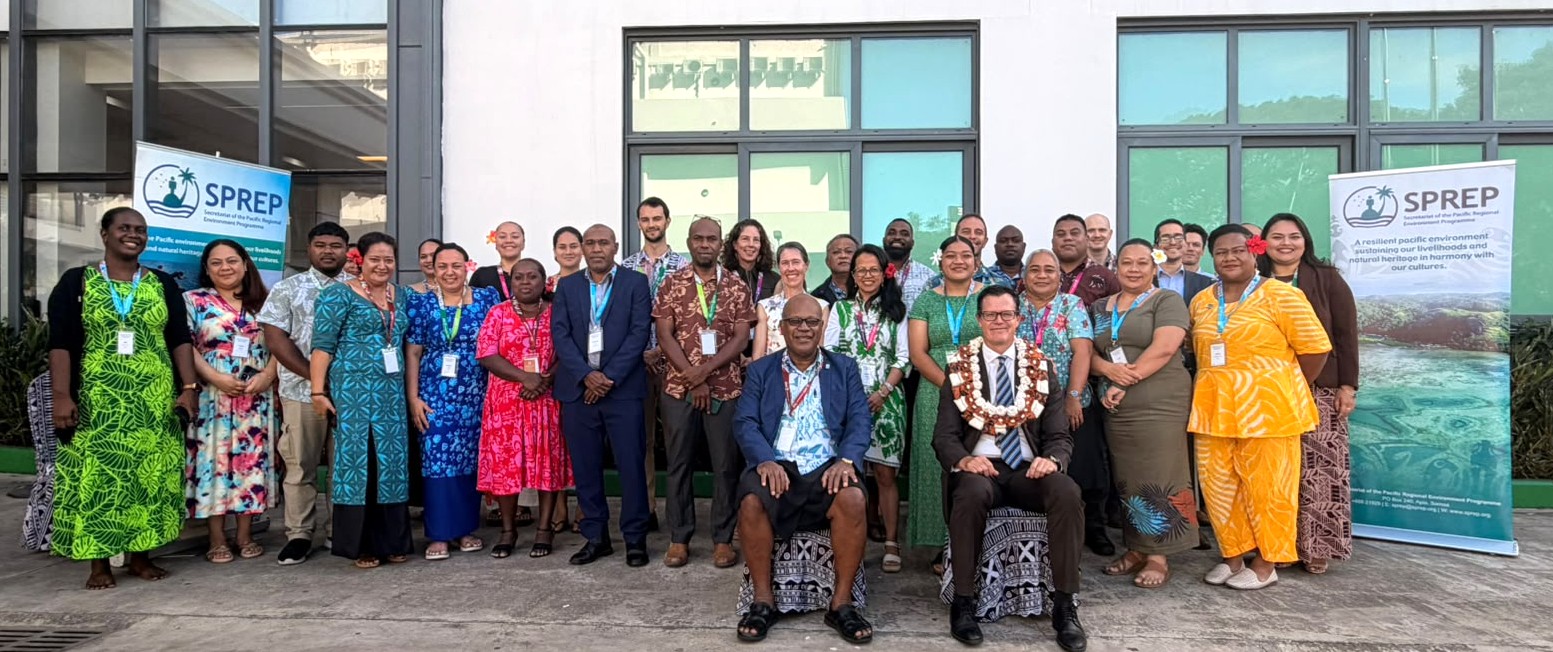
The Pacific Regional Workshop on Kunming-Montreal Global Biodiversity Framework (KMGBF) Target 3: Conserve 30% of Land, Waters and Seas by 2030, at Nalagi Hotel, Nadi, Fiji, is taking place from 9-11 June.
“This workshop provides a Pacific pathway to 30×30 by coming together, exchange real experiences, learn from one another, and explore practical approaches to advancing Target 3 within our unique Pacific context,” said SPREP Director of Biodiversity and Conservation, Mr Amenatave Yauvoli.
“We also hope this workshop will strengthen regional collaboration and help shape a unified Pacific voice as we prepare for future nature and biodiversity discussions, including the 11th Pacific Conference on Nature Conservation and CBD COP17 in September later this year.”
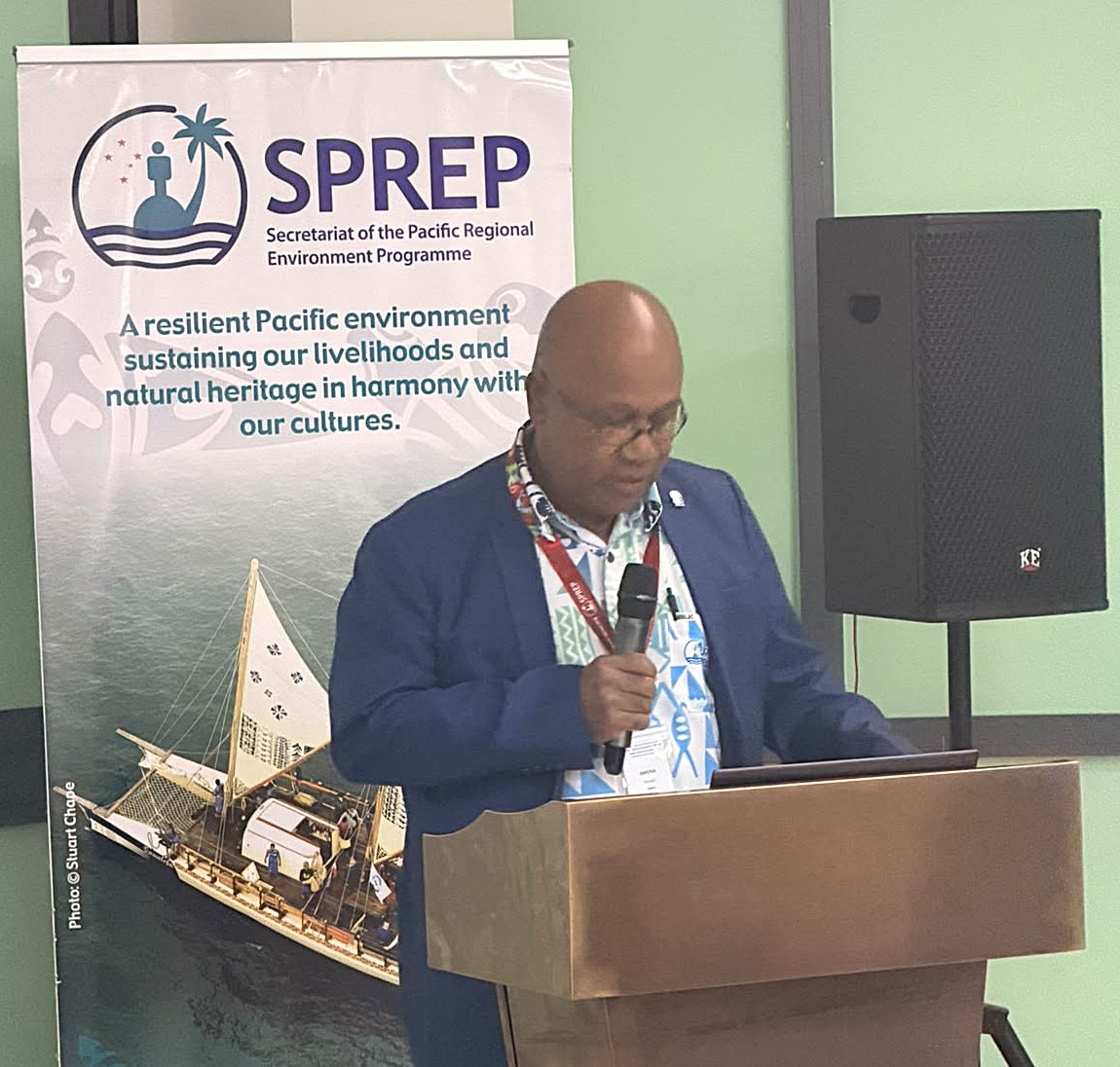
The KMGBF calls for the conservation and effective management of at least 30 per cent of the world’s terrestrial, inland water, coastal and marine areas by 2030 under Target 3, widely known as the 30×30 target. Pacific countries have demonstrated global leadership in marine conservation through the establishment of large-scale marine protected areas and long-standing community-based management systems.
Mr Ryan Tierney, Counsellor, Australian High Commission in Suva, acknowledged the commitment by Pacific countries and territories to protect biodiversity.
“Many Pacific nations are already global leaders in ocean conservation, with large-scale marine protected areas and strong traditions of community-based management,” he said.
“The 30×30 target builds on this leadership, creating an opportunity for Pacific States to scale up existing efforts and strengthen regional cooperation, while showcasing Pacific-led approaches on the global stage. Ultimately, delivering on this target is about securing a healthy, resilient ocean and vibrant environment, one that continues to support the sustainable development of Pacific communities now and into the future, and moreover advances our shared vision of a thriving Blue Pacific under the 2050 Blue Pacific Strategy.”
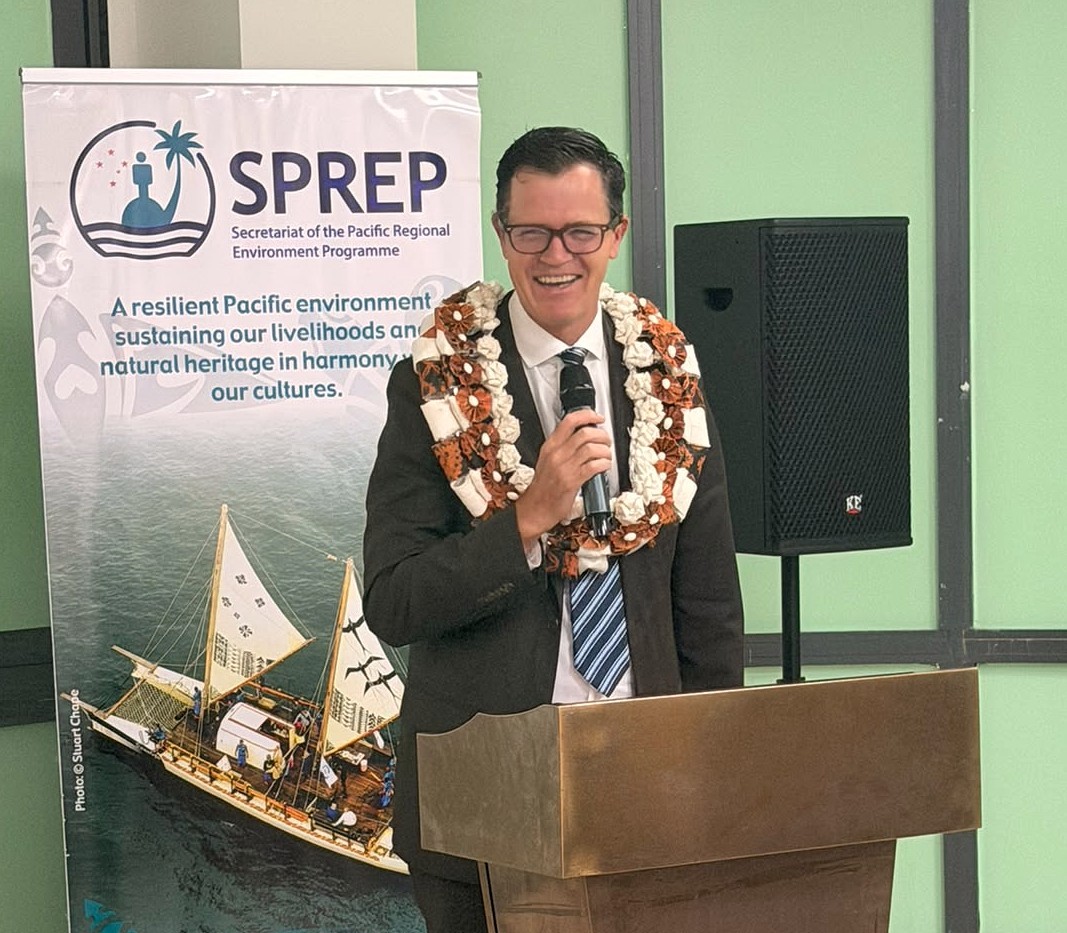
Mr Tierney also praised SPREP and HAC for offering vital technical support to countries to translate their commitments into national and local actions.
“The Kunming-Montreal Global Biodiversity Framework’s flagship 30 by 30 target, to effectively conserve and manage at least 30 percent of the world’s lands and 30 per cent of the world’s oceans by 2030, represents both an opportunity and a responsibility for our region,” added Mr Tierney.
“Protecting and sustainably managing marine areas helps safeguard fisheries, which are essential for food and nutritional security, sustainable livelihoods, and economic opportunities across the region. At the same time, conserving coastal and terrestrial ecosystems such as mangroves, seagrass, forests, and reefs, supports biodiversity while also strengthening natural resilience to climate change.”
The High Ambition Coalition for Nature and People provides important technical and political support to countries working to translate global biodiversity commitments into national and local action. Within Oceania, SPREP Members that have joined HAC include Australia, the Cook Islands, the Federated States of Micronesia, Fiji, the Marshall Islands, Palau, Papua New Guinea, Samoa, Tonga and Vanuatu.
SPREP remains committed to supporting members through technical assistance, capacity building, knowledge sharing, biodiversity information management and regional cooperation to advance implementation of the Global Biodiversity Framework.
About the workshop
The Pacific Regional Workshop on Kunming-Montreal Global Biodiversity Framework (KMGBF) Target 3: Conserve 30% of Land, Waters and Seas by 2030, is taking place at Nalagi Hotel, Nadi, Fiji from 9-11 June.
Facilitated by the Secretariat of the Pacific Regional Environment Programme (SPREP) with support from the High Ambition Coalition (HAC) for Nature and People, it is funded by the Government of Australia.
For more information, please contact SPREP Biodiversity and Ecosystems Adviser, Ms Monifa Fiu, at monifaf@sprep.org.
Original article: SPREP, “Securing a healthy, resilient Pacific Ocean and Environment,” 9 June 2026.